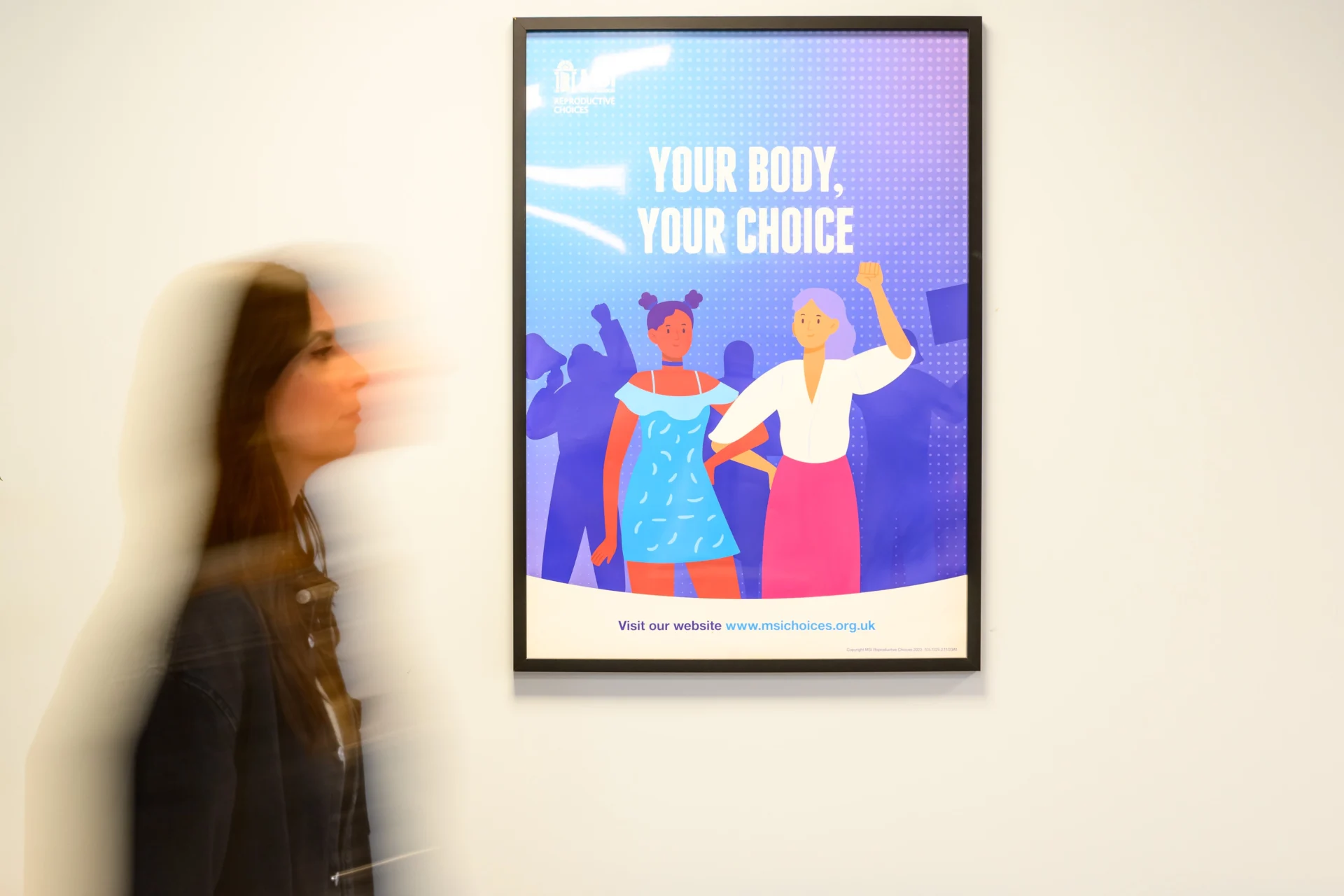

On 29th April, a reform to abortion law which ended the criminalisation of people ending their own pregnancies received Royal Assent in a historic win for reproductive rights in the UK.
In this blog, Louise McCudden (Head of External Relations, Advocacy and Communications at MSI Reproductive Choices UK) reflects on the journey to abortion law reform and looks to the future for full decriminalisation of abortion.
When the Abortion Act 1967 was passed, it was a major victory. Some have since declared it the greatest advance to be seen in social medical care. Yet at the same time, it was recognised as a job unfinished. Veteran abortion rights campaigner the late Diane Munday often recollects that when celebrating the passing of the Act with a toast, glasses were only half filled, to mark the fact that the victory was only partial. David Steel, who introduced the legislation in Parliament, has long since called for abortion to be fully decriminalised, arguing that his reform, while essential at the time, does not go far enough.
Anti-choice groups that fought hard against the Abortion Act 1967 now find themselves arguing to retain its principles when opportunities for further progress are laid before Parliament. That shows how far we have moved on as a society. But it also shows the limitations of the Abortion Act.
The Abortion Act did not fully decriminalise abortion. It set out criteria which must be met for an abortion to be legal. Under the Act, most people who need an abortion can get one, especially thanks to the NHS. But there is a small but significant number of people who are unable to do so, and they tend to be in incredibly difficult circumstances. For example, women with abusive partners who stop them attending a clinic in person and purchase abortion pills online risk prosecution or even jail. The maximum sentence for ending a pregnancy outside the terms of the Abortion Act 1967 is life in prison.
But now, that’s all changed.
A moderate but significant reform to abortion law was passed by MPs last summer. It has backed by the House of Lords, and last month, was given Royal Assent. That means no one will be prosecuted for ending their own pregnancies – and those who have been convicted over the past century and a half will officially be pardoned.
The fight for abortion rights is still not done. This reform to abortion law does not fully decriminalise abortion. Like most organisations and activists that backed this change in the law, MSI Reproductive Choices UK strongly supports full decriminalisation, and we look forward to working with partners and allies to get there. In Scotland, an independent commission has reviewed evidence and proposed a series of recommendations which have great potential for further progress in England and Wales, too.
Full decriminalisation is a long, complex piece of work, too important not to get right. In the meantime, we are proud to have advocated for this simple, impactful legal change, which protects vulnerable women, trans men and non-binary people ending their own pregnancies, while protecting provision and access to abortion care via the NHS.
For more information about this reform and why it was needed, read our blog: Now is the time for abortion law reform – MSI Reproductive Choices UK
For more information about our advocacy work and what we will be fighting for next, visit our advocacy page or follow our social media: Advocacy and Opinions – MSI Reproductive Choices UK