

As long as you have a positive pregnancy test, there is no limit to how early you can access NHS-funded abortion care.
In this blog you will find information about:
- How early in a pregnancy you can get an abortion
- Abortion options at MSI based on gestation (how many weeks pregnant you are)
- Using emergency contraception to prevent pregnancy after unprotected sex
I’m pregnant, how early can I have an abortion?
In order to access abortion services, you will need to have a positive pregnancy test result. Different home pregnancy tests can have different sensitivities, but most work best from the first day of a missed period. If you think you might be pregnant, we recommend taking a pregnancy test from the first day of a missed period. If you are not sure when your period is due, take the test at least 21 days after you last had unprotected sex.
If you’ve had a positive pregnancy test result and do not want to continue with the pregnancy, you can access abortion treatment with a provider like MSI UK.
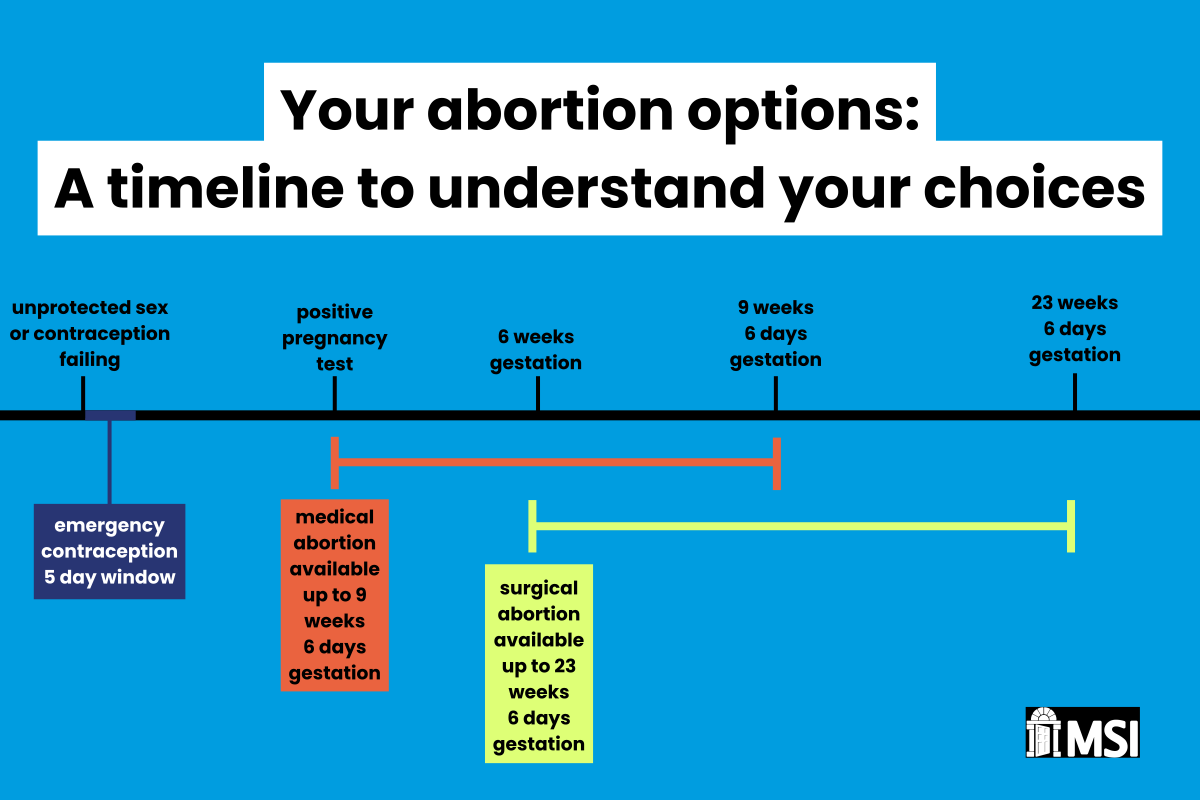
The earliest abortion treatment available based on gestation (how many weeks pregnant you are) is a medical abortion. You can have a medical abortion as early as you’ve had a positive pregnancy test. The upper limit gestation limit for having a medical abortion varies between providers but is generally up to 9 weeks and 6 days of pregnancy for at-home medical abortion.
What abortion treatment can I have at MSI based on my gestation?
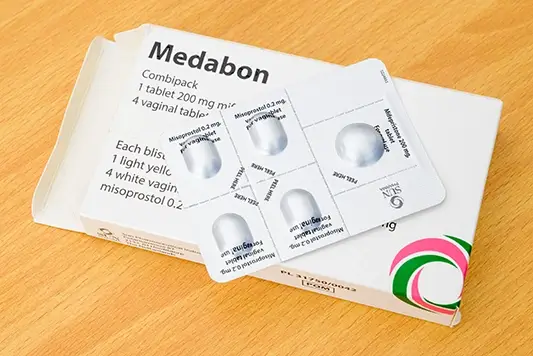
At MSI UK, we offer two types of abortion: medical (or abortion with pills) and surgical.
Although a medical abortion is available up to 9 weeks and 6 days, it is not suitable for everyone, and you may be offered a surgical abortion.
A surgical abortion is available from 6 weeks of pregnancy, up to 23 weeks and 6 days of pregnancy. Between 6 weeks of pregnancy and 9 weeks and 6 days of pregnancy, you may be offered the choice between a surgical abortion and medical abortion.
When choosing your abortion treatment, your gestation is not the only factor to take into consideration. Your gestation, past medical history, gynaecological history, any medication you are taking and personal choice and preferences are all factors that can determine which treatment is best for you.
Beyond 24 weeks, abortion may be an option in exceptional circumstances, but this is very rare. You can find out more from the charity ARC Antenatal Results & Choices.
How do I use emergency contraception to prevent pregnancy after unprotected sex?
If you have had sex without using contraception, or your contraception has failed (e.g. you’ve missed taking a contraceptive pill or the condom has split), emergency contraception can be used to prevent a pregnancy.
There are three types of emergency contraception:
- The non-hormonal coil (CU-IUD or copper coil): this is the most effective emergency contraception and can be fitted up to 120 hours or 5 days after unprotected sex
- The emergency contraceptive pill Levonorgestrel (LNG), also known as Levonelle: this can be taken within 72 hours (three days) of unprotected sex, although the sooner it is taken, the more effective it will be.
- The emergency contraceptive pill Ulipristal Acetate (UPA) also known as Ellaone: this can be taken within 120 hours (five days) of unprotected sex.
There are a number factors that will affect which method is right for you. When you seek emergency contraception, a healthcare professional will assess this. If you want to get emergency contraception, you can do so from GPs, sexual health clinics, pharmacies and some hospital A&E departments. Learn more about emergency contraception and how to access it here.
Get in touch
At MSI Reproductive Choices, we are here for you and there are a number of ways you can contact us.
You can always get in touch should you have any questions about our services, would like to discuss your options, would like to book an appointment or you have had treatment with us and want aftercare support.