
Today (25 November 2026), the 4th National Surveys of Sexual Attitudes and Lifestyles (Natsal-4) have been published.
Produced by researchers from University College London (UCL), the London School of Hygiene & Tropical Medicine (LSHTM), University of Glasgow, University of Cambridge, Örebro University Hospital and NatCen Social Research, the surveys provide representative national statistics used to guide UK public health policy, sex education, and STI prevention.
This year’s findings highlight changing attitudes towards parenthood and contraception, alongside an increase in women accessing abortion care, particularly among those living in more deprived communities. The study also found a decrease in people using hormonal contraception, including the contraceptive pill. Together, the results provide valuable insight into the factors shaping reproductive choices today and the importance of ensuring everyone can access trusted information and high-quality healthcare.
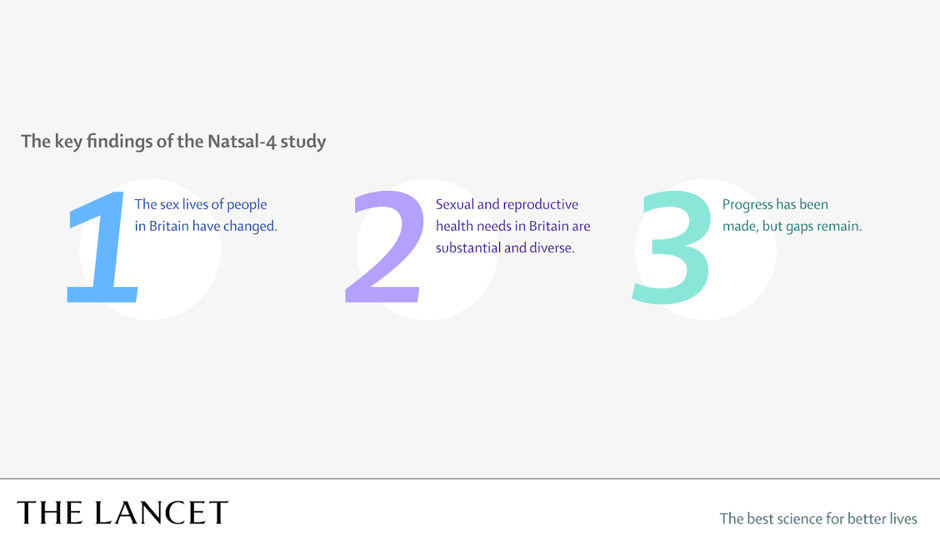
Key findings on abortion and reproductive choice
Natsal-4 found that the proportion of women aged 16-54 who reported having had an abortion in their lifetime increased from one in six (16%) to one in five (21%) over the past decade, reflecting trends seen in recent abortion statistics. The increase was largely concentrated among women aged 35-54 and was observed only among women without a university degree and those living in the most deprived areas. Among women living in the most deprived communities, the proportion reporting an abortion rose from 13.9% to 26.2%, while among women without a university degree it increased from 15.9% to 25.4%.
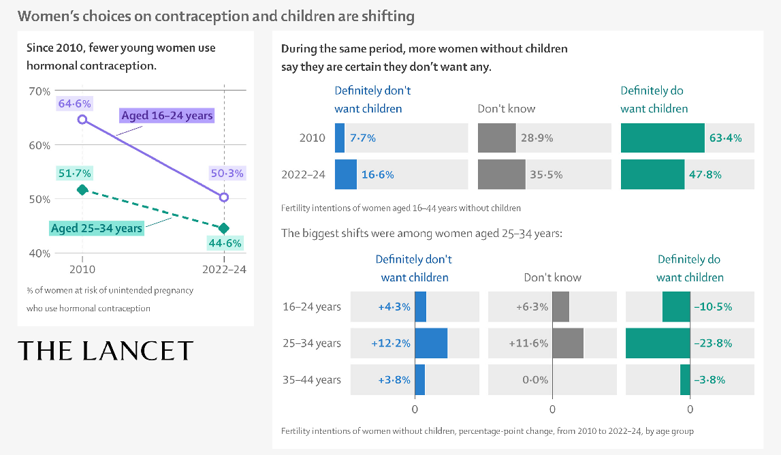
The survey also found changing attitudes towards parenthood. Among women aged 16-44 who had not had children, the proportion who said they definitely did not want children doubled from 8% to 17% over the past decade. This increase was driven primarily by younger women, with the proportion among 25-34-year-olds rising from 4% to 17%.
Commenting on the findings on abortion and reproductive choice, Louise McCudden, Head of Advocacy and External Relations, said:
“With rising misinformation, it’s more important than ever that advice is available from trustworthy sources.”
“Decisions about whether and when to have children are deeply personal. Through the conversations we have with women every day, we hear that these decisions can be based on anything from having the right partner, to wanting greater financial security, or simply not wanting to be a parent.
“What matters is that everyone can get accurate information to make the decisions that are right for them. With rising misinformation, it’s more important than ever that advice is available from trustworthy sources, with clearer differentiation between medical advice, personal opinion, and commercial promotions. People of all ages and genders need better ways to spot messaging that comes from groups with an anti-abortion agenda.
“Digital tools and social media can be brilliant resources but there is also tremendous value in human connections. Over the last decade, many places that have traditionally offered safe spaces for nuanced conversations, such as youth services and local authority resources have faced severe cuts. We hope that the government’s increased focus on women’s health, medical misogyny, and the cost of living will mean these gaps start to be addressed.
“No one should have to become a parent when they do not wish to be, and likewise, no one should feel unable to achieve their dream of parenthood because of economic inequality. Reproductive choice means everyone being able to make informed decisions that meet their own needs, whatever those needs might be.”
Dr Sarah Salkeld, Deputy Medical Director, said:
“Your ability to make decisions about your own body and future should never depend on your postcode, background or circumstances.”
“There is rarely one isolated reason why people have an abortion, but through our clinics we do hear from women that financial pressures are playing a bigger part in the decision. This survey shows that the rate of abortion in the most deprived areas has almost doubled over the last decade. Not only is it becoming more expensive to be a parent, but people in these communities often face greater barriers to accessing effective contraception, increasing the likelihood of an unintended pregnancy in the first place.
“Women face constant criticism for their reproductive choices, no matter what they decide. The government is right to take steps towards addressing this by recognising issues like medical misogyny in its Women’s Health Strategy. Your ability to make decisions about your own body and future should never depend on your postcode, background or circumstances. As a leading abortion provider MSI will continue to champion a system that puts women’s needs first, removes barriers to care and protects everyone’s ability to make the decisions that are right for them.”
Key findings on contraception:
Natsal-4 found that around one in five women (19%) at risk of an unintended pregnancy are not using an effective method of contraception. The survey also identified significant changes in contraceptive use over the past decade, particularly among younger women. Among women aged 16-24, use of hormonal contraception fell from 65% to 50%, driven in part by a decline in use of the contraceptive pill. Across all age groups, however, use of the hormonal coil increased from 4% to 10%.
Overall, use of the contraceptive pill fell from 28.9% to 20.8% over the decade. The decline was especially pronounced among younger women, with use among 16-24-year-olds falling from 47.9% to 31.6%.
Reacting to the findings on contraception, Dr Sarah Salkeld, Deputy Medical Director, said:
“While some of the changes reflect progress on gender equality and more openness towards sexual pleasure, especially for women, not all are a result of greater choice. People’s reproductive decisions are shaped by many factors, from the information they receive about contraception – where social media is playing a more significant role – to the economic pressures that influence whether and when they have children. While some people are choosing to have less sex and fewer children, others are experiencing loneliness, struggling to meet the right partner, or finding they cannot afford to have the families they want.
“These findings echo what we hear from many women in our clinics, especially with regards to the growing number of younger women who are moving away from the pill. We also hear from many women who have not had access to the effective contraception, information and support they need to enjoy healthy, fulfilling and respectful sex lives.
“We are pleased that the government’s Women’s Health Strategy recognises the broad value of contraception. Access to reproductive healthcare for all is central to the wider equality agenda and is fundamental to lifelong health, wellbeing, and pleasure.”
-Ends-
Notes to Editors
Every year at MSI Reproductive Choices UK, we support thousands of people to access safe, compassionate, high-quality reproductive healthcare.
For interviews, hi-res photos, and further information please contact Kylie Harrison and Grace Dunne at [email protected] or call 07769 166 516.
About MSI Reproductive Choices